Share 2FA Setup for Team Access to a Single Account

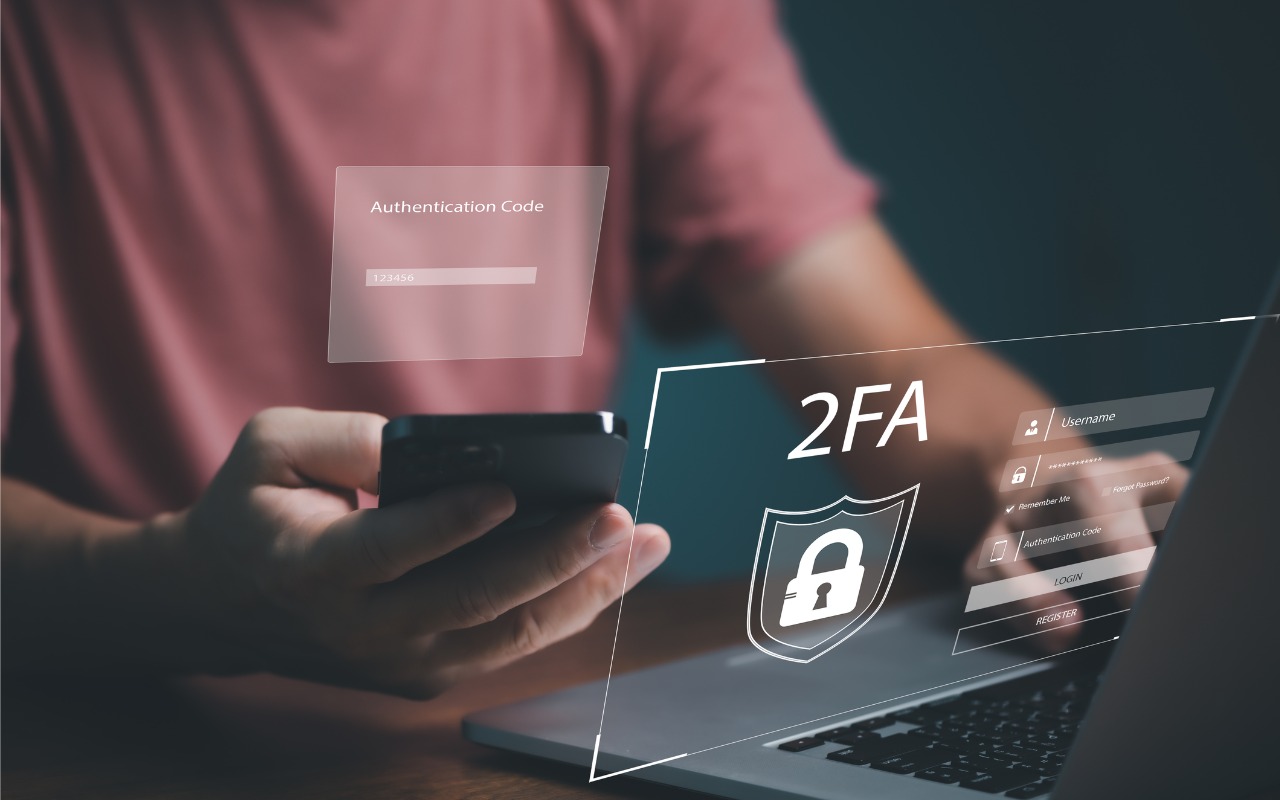
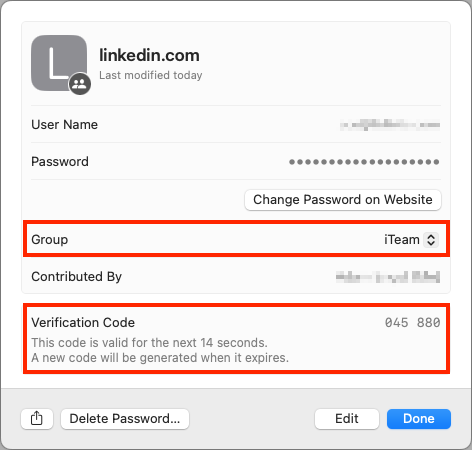
When your team or family shares access to a single account (such as for banking or social media, which seldom offer multi-user access), using two-factor authentication via SMS is awkward—whose phone receives the 2FA codes? One solution is to use an authentication app. Authentication apps are more secure, and multiple people can add 2FA support to the same account by scanning the QR code at setup or adding the 2FA setup URL later. (In both 1Password and Apple’s iCloud Keychain, edit the login to see and copy the setup URL.) An even better solution is to use a password manager that supports both 2FA codes and password sharing. That way, one person can set up the account with 2FA and add its login to a shared vault or collection. 1Password, Bitwarden, Dashlane, iCloud Keychain, and others provide such features.
(Featured image by iStock.com/May_Chanikran)


Social Media: For better results when a team or family group needs to share 2FA codes to log in to a website, try to use an authentication app instead of SMS, or better yet, use a password manager that can both generate 2FA codes and share logins with a group.


Similar Posts

  • Setting Up and Managing iCloud+ Storage

    Apple’s online iCloud storage underpins many of the company’s services, including iCloud Photos, iCloud Drive, iCloud Backup (for iPhones and iPads), iCloud Mail,…

  • Medgar Evers

    Medgar Evers (1925-1963) was an African-American civil rights activist whose murder drew national attention. Born in Mississippi, he served in World War II before going to work for the National Association for the Advancement of Colored People (NAACP). After applying to the segregated University of Mississippi Law School in 1954, he became the NAACP field secretary in Mississippi.

    As early as 1955, Evers activism made him the most visible civil rights leader in the state of Mississippi. As a result, he and his family were subjected to numerous threats and violent actions over the years, including a firebombing of their house in May 1963. At 12:40 a.m. on June 12, 1963, Evers was shot in the back in the driveway of his home in Jackson. He died less than a hour later at a nearby hospital. The accused killer Byron De La Beckwith initially escaped conviction.

    In December 1990, Beckwith was again indicted for the murder of Medgar Evers. After a number of appeals, the Mississippi Supreme Court finally ruled in favor of a third trial in April 1993. Ten months later, testimony began before a racially mixed jury of eight blacks and four whites. In February 1994, nearly 31 years after Evers’ death, Beckwith was convicted and sentenced to life in prison.