Prep Your Tech for Travel
Long ago, to get ready for a trip, we’d mostly make sure we had our plane tickets, books and magazines to read, and a snack. Prepping for travel in today’s tech-heavy world comes with a new set of tasks, most of which shouldn’t be left to the last minute.
Identify Devices, Chargers, and Cables to Bring
Resist the temptation to bring every piece of tech you have. Do you really need your iPad and MacBook Air if you’re not planning to work on vacation? Is a point-and-shoot camera worthwhile if you take most of your photos with your iPhone?
Once you’ve selected your preferred devices, think about charging. At a minimum, you’ll need chargers for all your devices every night. You may not find many power outlets or be able to access them easily, so a compact power strip is often helpful, especially if it comes with USB Type-A and USB-C ports. Multi-device wireless chargers can also reduce the number of wall chargers and cables. If you’re traveling abroad, a power adapter is essential—you can find units that support multiple devices.

Make sure to pack the right charging cables for your devices. Increasingly, that means USB-C cables, but remember that most public charging ports in airplanes and hotels will still be USB Type A, so bring an appropriate cable or adapter for such situations.
Portable battery packs can be a lifesaver, such as for late-night transit navigation after you’ve run down your iPhone’s battery taking photos and videos during the day. Unless the battery pack has integrated cables, ensure that you carry the right cables with you every day.
Prep Updates, Backups, Apps, and Entertainment
We always encourage staying up to date on operating system updates for security reasons. It’s especially important to update before leaving on a trip where you may be in less secure situations. Don’t leave those updates for the night before you leave! The device you’re updating won’t be usable while the update installs, which may be stressful, and in the rare case where something goes wrong, you’ll need extra time to recover. Always update your devices and apps at least a few days before leaving.
It’s also important to make backups before you leave. It’s easy for a device to be damaged, lost, or stolen while you’re traveling, and a backup is essential for recovery. For Macs, make sure your Time Machine and other local backups are current. For iPhones and iPads, iCloud backups are best while traveling because you can continue to back up while away, and if you have to replace a lost iPhone on the road, you can restore from your iCloud backup wherever you are.
You may find a new set of apps helpful on your trip, and some may be essential for checking in for flights, going through customs, and more. If you’re flying, configure your airline’s app to know about your flight and add your boarding passes to Apple’s Wallet app. Paper copies of travel documents are worthwhile in the event of your iPhone being damaged, lost, or stolen. Travel guides for specific locations and itinerary planners like TripIt may also be helpful, though you can also track your travel and itinerary in Notes, which you can share with fellow travelers. An app like Flighty can help you track your flights and better react to delays.

Even if you prefer Apple Maps or Google Maps, having the other available when you travel is worth it. One or the other may work better in certain places or with certain types of navigation, like city transit. Connectivity isn’t always guaranteed while traveling, so download maps ahead of time in both Apple Maps and Google Maps.
If you’re heading to a country where you don’t speak the language, make sure you can quickly access Apple’s Translate app. Also get Google Translate so you can find out which you prefer. Both translate text you enter, text you focus on with the camera, and the contents of conversations.
It’s always best to load enough ebooks, podcasts, and videos on your iPhone or iPad so you don’t run out of something to do during downtime when there’s no connectivity. With ebooks, if you’re not already using Libby to access your public library, give it a try. It’s easy to download episodes in most podcast apps. And nearly all streaming apps like Amazon Prime Video, Apple TV+, Disney+, Hulu, and Netflix allow downloading. That said, leave plenty of free space for taking photos and videos on your travels.
Investigate Cellular Connectivity Options
Cellular Internet access isn’t usually an issue when you travel within your home country as long as you don’t have a data cap. But when traveling internationally, you need to plan for how you’ll get cell service. Your carrier may have an international roaming plan, but those are often massively overpriced. Instead, look to an international roaming provider such as Airalo, Airhub, and Nomad.
Factors to consider when choosing an international roaming provider include the provider’s network coverage at your destination, how much data you’ll need, whether you’ll also need voice and SMS support, the duration of your trip, and whether your iPhone supports eSIM technology.
Protect Tech You Leave Home
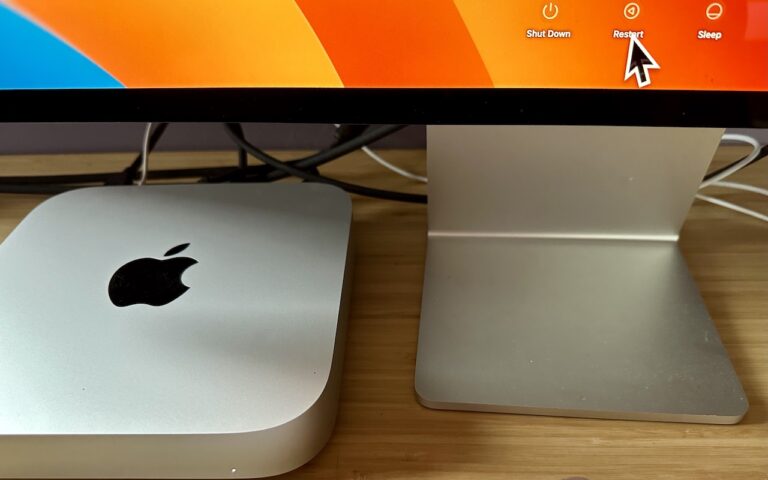
Don’t forget the tech you’re leaving behind. Shut down your Macs and unplug anything not protected by an uninterruptible power supply. That way, a power surge or lightning strike won’t hurt anything.
Unplug your Time Machine and other local backup drives and hide them in a secure location—you don’t want to lose both your Mac and your backups in the event of a burglary.
If you use HomeKit, set up automations to turn lights on and off to make it seem like you’re home. Make sure you can remotely access home monitoring systems like security cameras. Consider a motion sensor like the Kini to report on doors or items that shouldn’t move (unauthorized access) or should move regularly (a scheduled pet sitter).
We know that can sound like a lot, but you want to avoid the aggravation of arriving at your destination only to discover that you forgot a necessary cable or can’t get Internet access. An excellent way to remember everything is to use an app like Packing Pro, which lets you develop (and reuse) lists of items and tasks.
Have a great trip!
(Featured image based on an original by iStock.com/Diamond Dogs)
Social Media: Planning a vacation this summer? A little tech prep can help ensure that your devices don’t let you down while you’re away. We have advice for what to bring, essential apps, and more.