Apple Explains Its Approach to Device Longevity

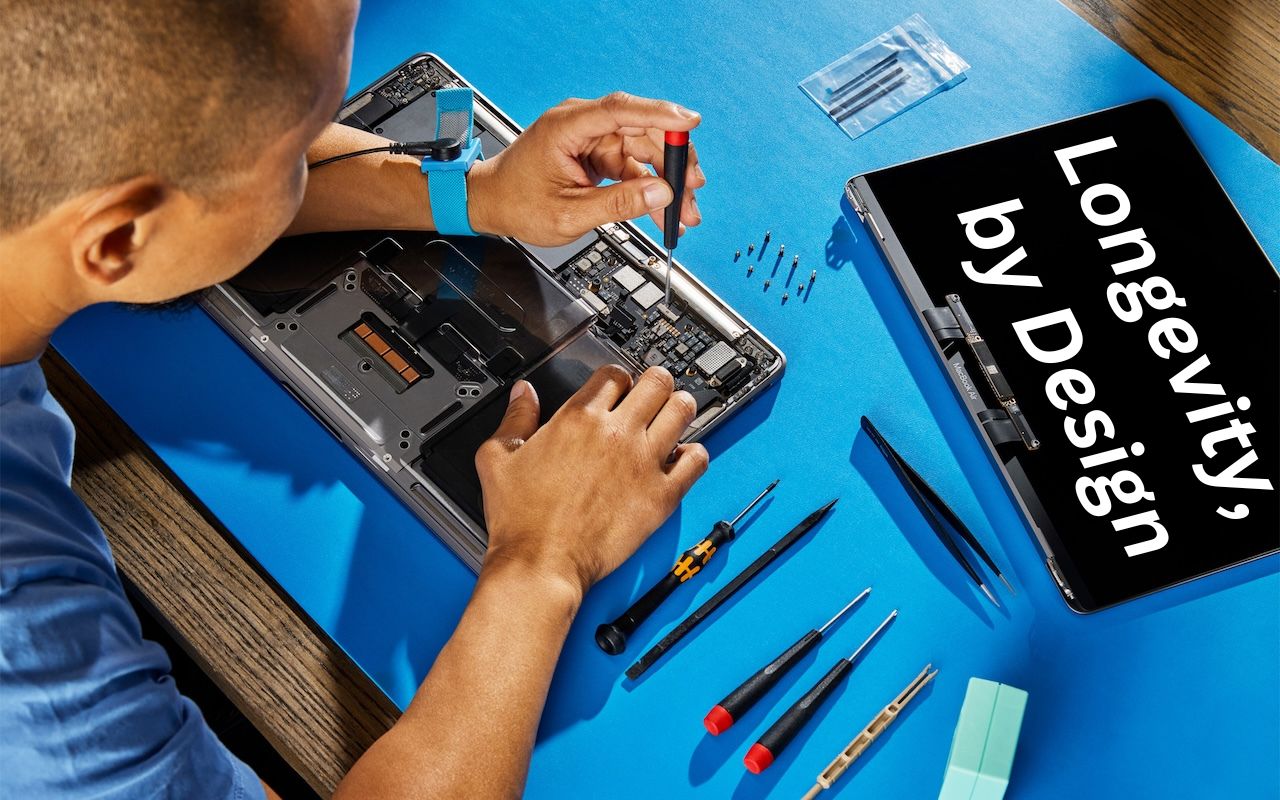
We Apple users tend to believe that our devices usually last longer—both physically and functionally—than Windows PCs and Android smartphones. For instance, Apple’s current operating systems work on nearly all Macs, iPhones, and iPads introduced in 2018 and later, albeit with some feature loss on the oldest devices. In a white paper entitled “Longevity, by Design,” Apple has now outlined how it works to increase product longevity through design and manufacturing, ongoing software support, and access to repair services. The white paper may be partially aimed at dissuading elected officials from passing Right to Repair legislation that could force unwanted design changes, but it still offers an illuminating look at how the company balances environmental impact, protecting customer privacy and safety, and enabling repair transparency. It’s worth a read if you’re interested in why Apple makes the design decisions it does.

(Featured image based on an original by Apple)


Social Media: Apple has published a white paper that offers an illuminating look at how the company works to increase device longevity while balancing environmental impact, protecting customer privacy and safety, and enabling transparency in repair.


Similar Posts

  • Apple's Not The Only Game In Town

    I have the pleasure of being able to not only work behind the scenes here at Small Dog, but also on the front line with our customers. This past week while working in our “**Rutland, VT store**”:http://www.smalldog.com/rutland I had two customer interactions that brought an interesting subject light when talking about iPads. We have seen over the last two years or so there has been a slight drop in the number of iPads sales in comparison to when they first hit the market back in in April of 2010 and a lot has changed since then. There are more tablets out there than ever before including ones that run Android, Windows, Kindle and more.

    The draw away from Apple for some customers is that in many cases the same Apps and functions you can do on an iPad can be done on a another device and for less money. It’s easy to be persuaded by these draws and overlook some some other key aspects. What makes Apple stand apart is often pushed aside temporarily when comparing these products. With Apple everything is designed to work together. iCloud can sync all your information across multiples devices, from your iPad to iPhone to your computer. “**Handoff**”:https://support.apple.com/kb/PH18754?locale=en_US allows you to start a project on your iPad and then with a quick tab, pick up that project on your computer. Wanting to show your friends the pictures from your weekend trip to the mountains? With photo stream it doesn’t matter what Apple device you’ve picked up, your photos will be there. Have a great home video of your child or grandchild and just have to show everyone who came to Friday night dinner? No problem. With the Apple TV you can airplay that video and save yourself from passing your phone around the room for everyone to see. Another benefit? Apple devices last a long time! I have been using the original iPad mini for four years now and each week I interact with customers who are also using iPads that are two or three years old with no issues.

    In addition to all the integration, we’ve seen price drops for the iPads over the last several years as well. No longer do you need to spend $500 or more for an iPad. You can get an “**iPad Mini 2**”:http://www.smalldog.com/product/84491/ipad-mini-2-16gb-space-gray starting at **$269** and “**iPad Air**”:http://www.smalldog.com/product/86240/ipad-air-16gb-wi-fi-silver for **$399**. So the next time your considering tablet options, take a few moments to consider that while Apple isn’t the only game in town anymore, it’s still the leader of the pack!

  • Grace has tired of riding the little Vespa scooter so we are selling it. I bought an almost antique Victory cruiser so we both have bikes down here. I am going to Jasper, GA to pick it up this weekend and riding it back through the back roads of Georgia. It should be a nice little break.

    I am going to miss Johnny Dread and the reggae show down here but I am sure Grace will be there. It is hard to believe that we are heading into March already. My granddaughter, Gracie, is a Feb 29 baby so she is celebrating her 4th birthday as a 12-year old. My other granddaughter, Khadija, was off this week visiting colleges in the Boston area. Sure makes me feel old. I remember announcing Khadija’s birth here in Kibbles with the line “just call me gramps” and they still do!

    Thank you for reading this issue of Kibbles & Bytes!

    Your Kibbles & Bytes Team,

    _Don, Emily, Morgan & Hadley_

  • Medgar Evers

    Medgar Evers (1925-1963) was an African-American civil rights activist whose murder drew national attention. Born in Mississippi, he served in World War II before going to work for the National Association for the Advancement of Colored People (NAACP). After applying to the segregated University of Mississippi Law School in 1954, he became the NAACP field secretary in Mississippi.

    As early as 1955, Evers activism made him the most visible civil rights leader in the state of Mississippi. As a result, he and his family were subjected to numerous threats and violent actions over the years, including a firebombing of their house in May 1963. At 12:40 a.m. on June 12, 1963, Evers was shot in the back in the driveway of his home in Jackson. He died less than a hour later at a nearby hospital. The accused killer Byron De La Beckwith initially escaped conviction.

    In December 1990, Beckwith was again indicted for the murder of Medgar Evers. After a number of appeals, the Mississippi Supreme Court finally ruled in favor of a third trial in April 1993. Ten months later, testimony began before a racially mixed jury of eight blacks and four whites. In February 1994, nearly 31 years after Evers’ death, Beckwith was convicted and sentenced to life in prison.